
Procedures
All About EVE Procedures
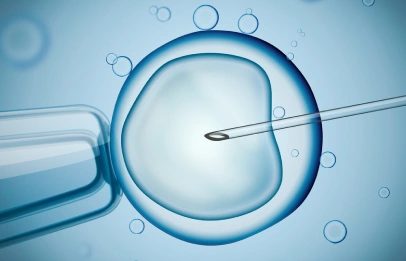
IVF (in vitro fertilization) is the fertility treatment that is most well-known. It means “fertilization in glass”, hence the expression “test tube baby”. There are various stages involved in IVF treatment: Stages of IVF: You will be prescribed drugs that will help control when your eggs are produced. You will also take drugs to increase the number of eggs you…

For couples who want to determine the gender of their embryos before they are even implanted in the uterus, we can perform preimplantation genetic testing while completing a cycle of In Vitro Fertilization. The process is much the same as preimplantation genetic testing for aneuploidy (PGT-A) whereby the woman, after taking injections to stimulate oocyte production, undergoes egg collection. Sperm…
Oocyte donation allows any woman with a healthy uterus, regardless of age and the condition of the ovaries, to bear a child from her partner. At EVE fertility center, designated donors are matched to potential recipients and enrolled in our active oocyte donation program. With this procedure, oocytes are collected from the donor, fertilized with the the sperm of the…
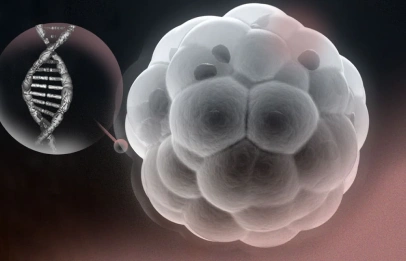
In the General population, one in 20 pregnancies may be associated with a birth defect which may range from a minor anatomic defect to a major genetic disorder. Birth defects increase with age and in certain ethnic and racial groups. Pregnant women should undergo prenatal testing to determine if their child is affected by a serious condition such as Down’s…
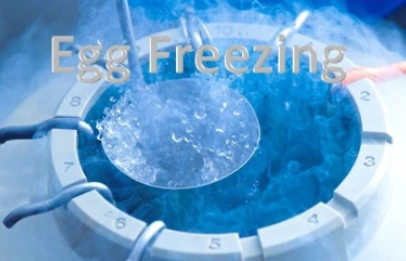
Egg freezing (or oocyte freezing) is an efficient method of preserving a woman’s fertility so she can try and have children at a later date. It involves collecting some of your eggs at a younger age and preserving them for usage when older since egg quality and pregnancy rates drop with advancing age. Whether you have cancer and about to…
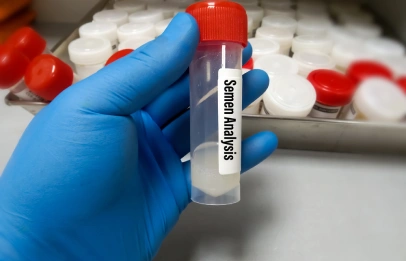
A semen analysis looks at volume and quality of a man’s sperm. It involves collecting sperm (preferably on site, at the clinic) and evaluating it in our laboratory. A man masturbates to produce a semen sample. The laboratory personal check the semen sample for: PH level(acidity): normally 7.2-8.0 Semen volume : normally >1.5 cc Sperm concentration : normally > 15…
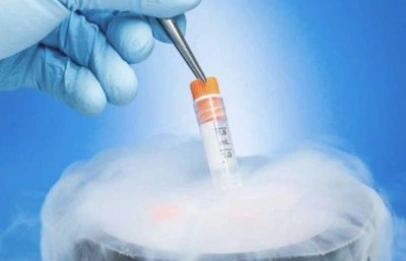
Embryo freezing (cryopreservation) stores fertilized eggs for later use. Our IVF program has been using embryo vitrification (freezing) since 2015 with excellent success rates. In young patients or those who have high ovarian reserve, it is likely that excess embryos will result after IVF, hence the advice to freeze them. Vitrification doesn’t harm embryos and is associated with a high…
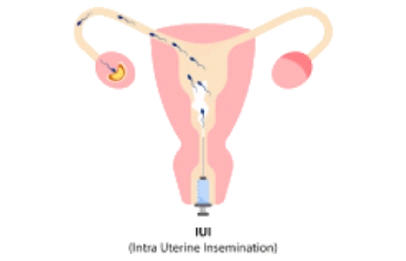
Intra Uterine Insemination (IUI) is a procedure that involves placing sperm inside a woman’s uterus to facilitate fertilization and is a form of assisted conception. Stages of IUI On day 3 of the cycle, the patient usually starts stimulation with medications (either injections or tablets) to induce multiple egg development. The patient is then monitored with ultrasounds until follicular size…

Sperm freezing, also known as sperm banking or sperm cryopreservation, is intended to collect and freeze sperm for future use. After thawing, frozen sperm can be used for intrauterine insemination (IUI) or In Vitro Fertilization (IVF). Reasons to freeze sperm include: Sperm banking before undergoing chemotherapy, radiotherapy, prostate or testicular surgery. Preserving fertility before getting older (usually advisable before the…

Microscopic Testicular Sperm Extraction (micro TESE) is a new surgical technique, performed by skilled urologists, to retrieve sperm directly from the testicles of men with non-obstructive azospermia. It is a more advanced version of testicular biopsy whereby a small incision is made in the testes, tissue is inspected under a visual amplification tool until healthy tissue is identified and analyzed…
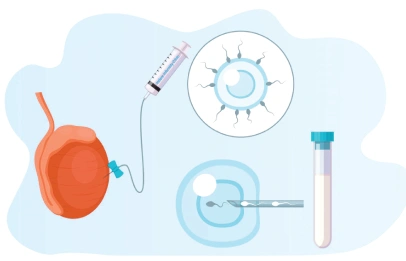
Testicular Sperm extraction (TESE) Tese is a non-invasive procedure to collect sperm directly from testes. It is done if there are no sperm found in the ejaculate. It is usually carried as a day case surgery under local anesthesia or mild sedation. During the procedure, a special needle is used to aspirate testicular tissue which is analyzed under microscopy for…